Product Overview

Drip Irrigation Tape

// Drip Irrigation Tape Manufacturer for Custom Water-Saving Irrigation Solutions

ZNY Agri manufactures PE drip irrigation tape and dripline solutions for agricultural importers, irrigation distributors, greenhouse projects and commercial farms. Our range includes flat drip tape, labyrinth drip tape, cylindrical dripline and anti-clog irrigation configurations. Common specifications include 12–22 mm diameters, 0.15–0.6 mm wall thickness, 10–50 cm emitter spacing and 1–8 L/h flow rates. Working pressure, UV resistance and service life can be matched to seasonal crops, greenhouses, orchards or longer-term irrigation systems. OEM and ODM support covers structure, spacing, flow, thickness, roll length, color, packaging and private-label requirements.

// FREQUENTLY ASKED QUESTIONS

Questions Buyers Ask Before Ordering Drip Irrigation Tape


DRIP IRRIGATION TAPE SOLUTIONS

What Is Drip Irrigation Tape and Which Structure Should You Source?

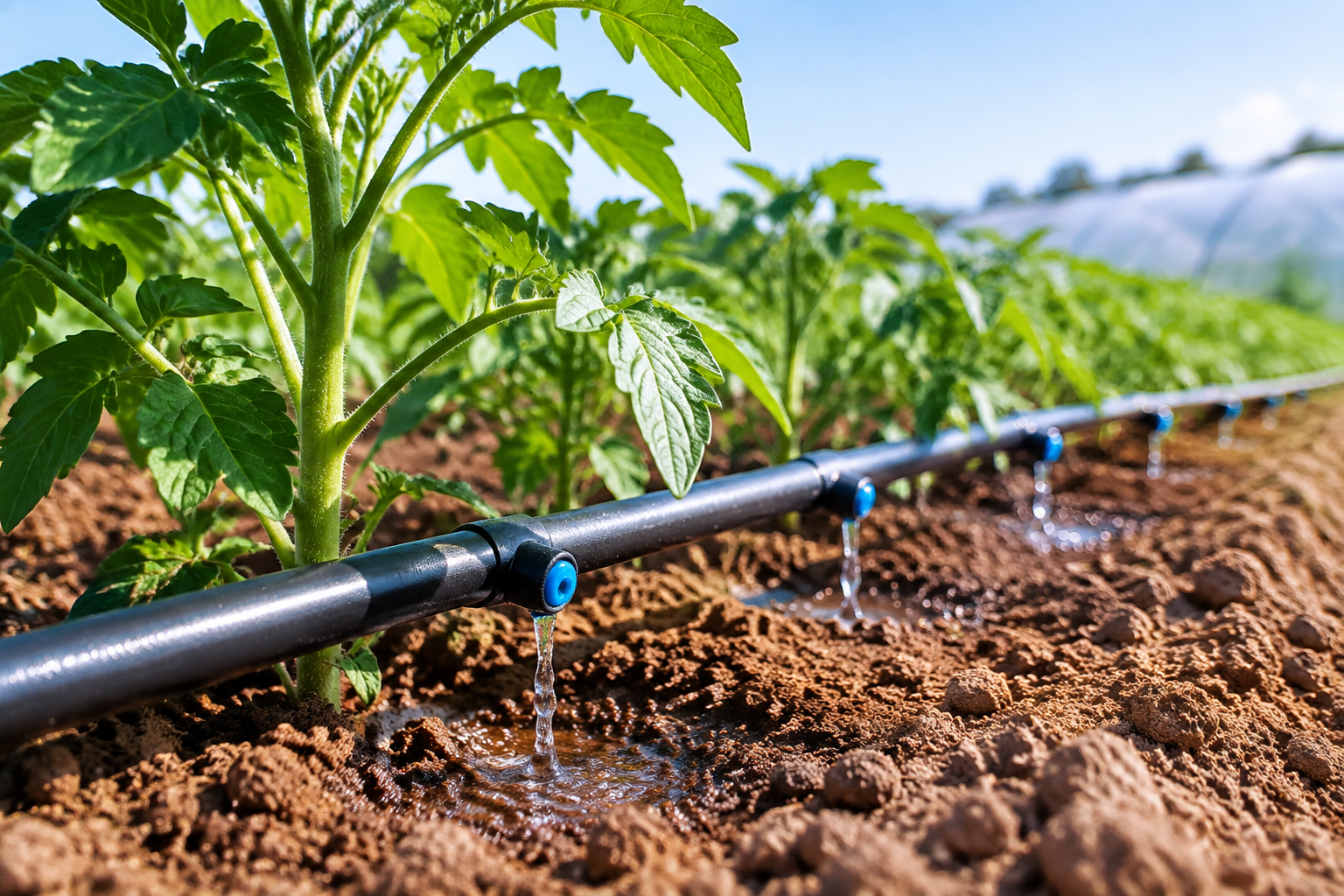
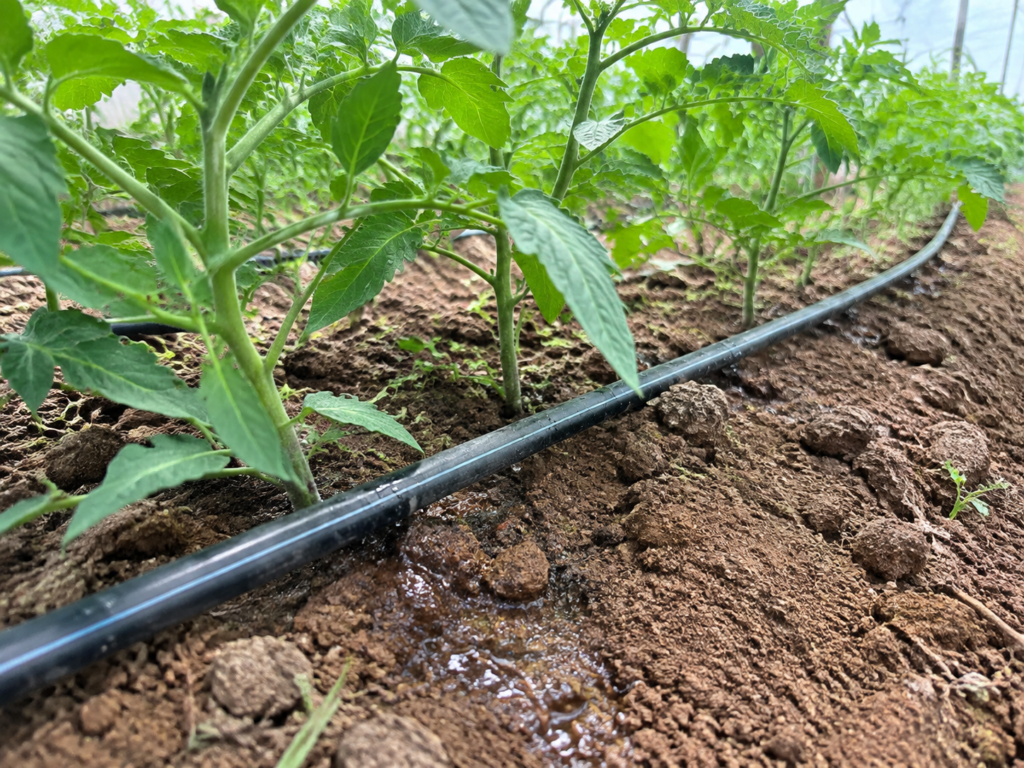
Drip irrigation tape is a low-pressure irrigation product designed to deliver water and nutrients slowly and consistently near the crop root zone. Flat drip tape uses inserted emitters for controlled flow and is widely used in greenhouse and field irrigation. Labyrinth drip tape forms the flow channel directly in the tape wall and is commonly selected for cost-sensitive seasonal applications. Cylindrical dripline uses a thicker pipe structure for orchards and longer-term systems. Buyers should compare wall thickness, diameter, emitter spacing, flow rate, working pressure, flow uniformity, anti-clogging design, UV resistance and expected service life before selecting a specification.

How Drip Irrigation Tape Helps Farmers Save Water and Increase Crop Productivity
IRRIGATION TAPE MANUFACTURING

How We Manufacture Drip Tape for Uniform Water Delivery

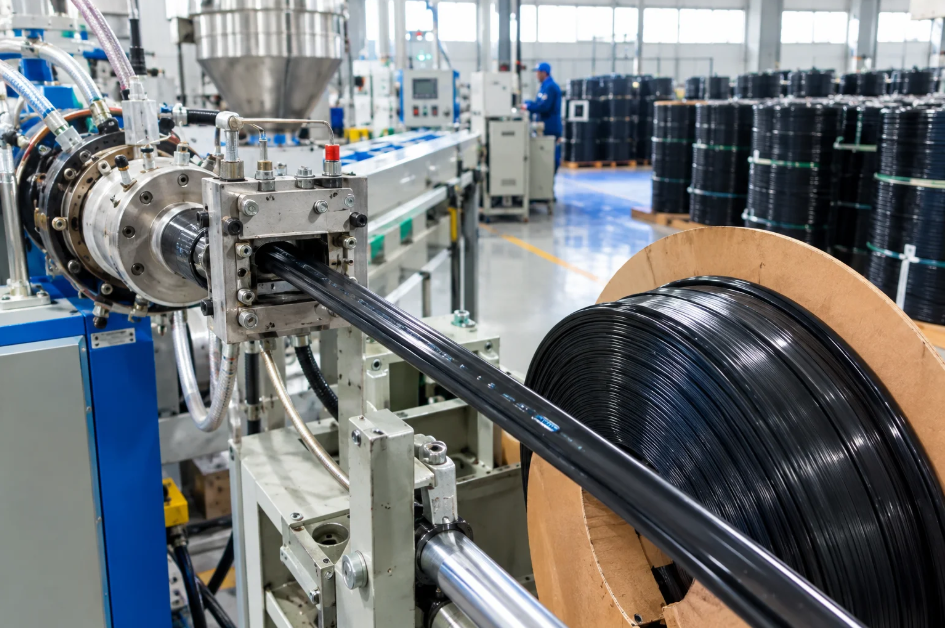
Production begins with PE resin, UV stabilizers, antioxidants and color masterbatch mixed according to the required outdoor life and mechanical performance. The material is extruded into a tape or pipe structure, after which flat emitters are inserted or a labyrinth flow path is formed according to the selected product type. Cylindrical emitters can be integrated into thicker dripline for longer-term irrigation. The product is then cooled, perforated, wound and packed. Process control focuses on wall-thickness consistency, emitter spacing, outlet accuracy, flow rate, pressure behavior, winding quality and leakage resistance. Sampling requirements can include flow-uniformity, pressure, tensile and UV-weathering checks.

APPLICATION SOLUTIONS

Drip Irrigation Solutions for Different Crops and Farming Systems


Greenhouse Vegetables

Suitable for tomatoes, cucumbers, peppers and leafy vegetables that require controlled root-zone irrigation and fertigation. Diameter, wall thickness, emitter spacing and flow rate can be matched to bed length, planting density and greenhouse pressure conditions.

Orchards and Vineyards

Designed for fruit trees and grapevines where stable long-line flow, stronger wall thickness and longer outdoor service life are important. Cylindrical dripline or thicker flat-emitter products can be evaluated according to terrain and irrigation duration.

Strawberries and Melons

Provides targeted irrigation for strawberries, watermelon and muskmelon while helping reduce unnecessary wetting between rows. Closer emitter spacing and lower flow options can be selected according to plant spacing, soil type and seasonal water demand.

Corn, Cotton and Row Crops

Supports large-area irrigation programs that require efficient installation, predictable roll performance and economical seasonal use. Labyrinth or flat drip tape can be selected according to field length, filtration, pressure and crop spacing.

Nurseries and Flower Production

Suitable for nursery beds, flowers and horticultural production where controlled water and fertilizer delivery helps maintain a more consistent root environment. Flow, spacing and pressure should be adapted to container layout, growing media and irrigation zones.

BUYER FEEDBACK

What Buyers Value in Our Drip Irrigation Supply Process


The product recommendation was based on our field length, water quality, crop spacing and working pressure rather than only the lowest tape price. Testing the sample helped us confirm flow consistency and emitter spacing before the seasonal order.

Drip Irrigation Tape
Irrigation Equipment Importer East African Market

We needed several wall thicknesses and emitter spacings for greenhouse and open-field customers. The OEM process helped us separate the specifications, confirm roll labels and prepare a clearer distributor product range.

Drip Irrigation Tape
Agricultural Irrigation Distributor European Market

The team explained the practical difference between labyrinth tape, flat-emitter tape and cylindrical dripline. That guidance helped us avoid using a seasonal product for an orchard system that required longer service life.

Drip Irrigation Tape
Commercial Farming Project Buyer Middle East Market
COOPERATION PROCESS

From Irrigation Requirements to a Confirmed Bulk Order


Contact Sales

Confirm Requirements

Select the Product

Receive Samples

Test the Samples

Place the Formal Order

Share your target market, crop application, irrigation layout and purchasing plan so the sales team can prepare a relevant specification recommendation.

Confirm tape type, diameter, wall thickness, emitter spacing, flow rate, working pressure, roll length, UV life, packaging and estimated quantity.

Compare labyrinth tape, flat drip tape, anti-clog configurations and cylindrical dripline according to performance, service life, budget and market positioning.

Arrange available samples or a specification sample to review dimensions, emitter spacing, outlet quality, flexibility, winding and packaging presentation.

Evaluate flow rate, uniformity, pressure behavior, filtration compatibility and installation performance under your own field or laboratory conditions.

Approve the final specification, quantity, private-label packaging and shipping details, then proceed with production, inspection and order execution.