Product Overview

Shade Net

// Shade Net Manufacturer for Agricultural and Outdoor Shading Solutions

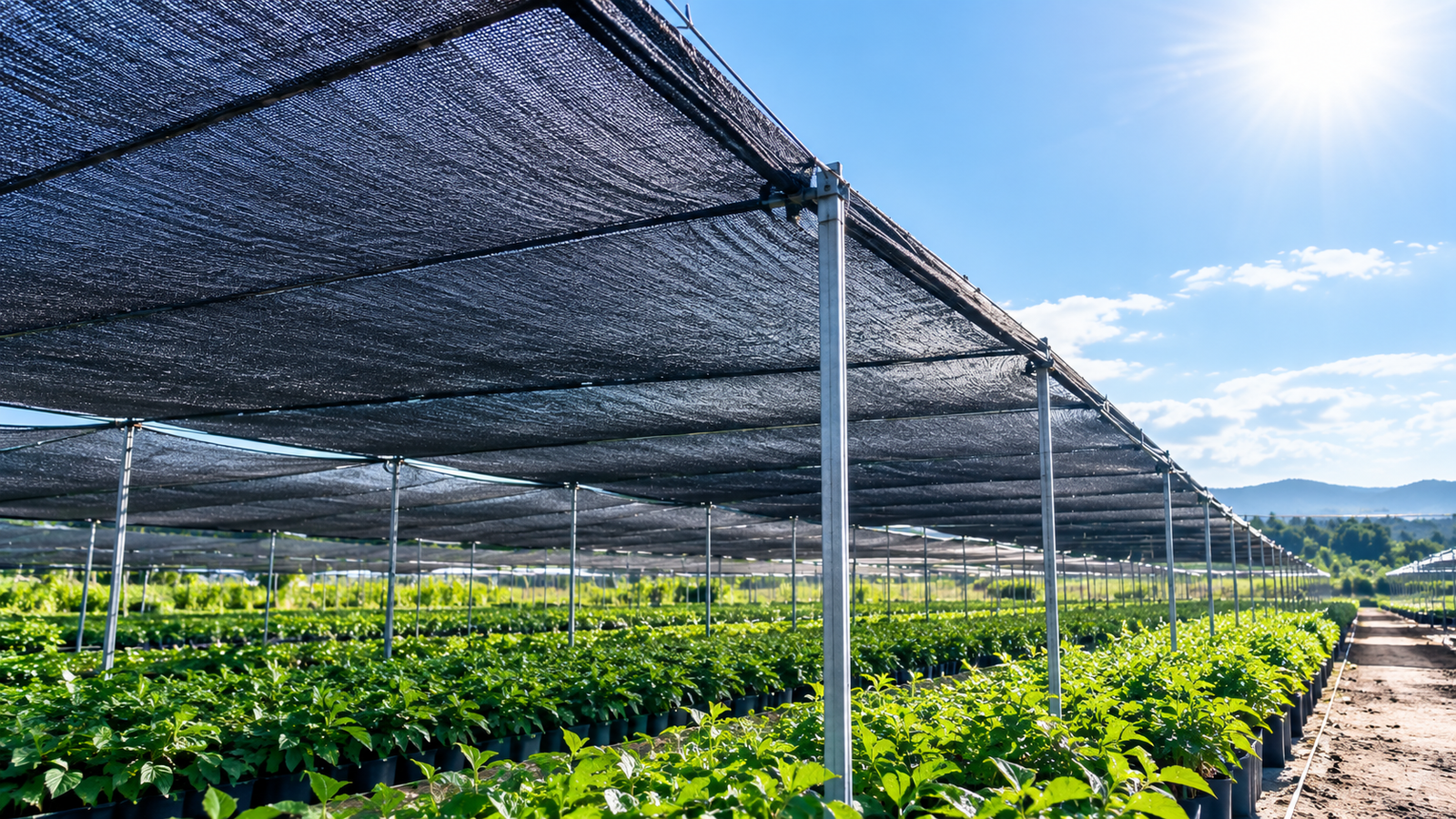
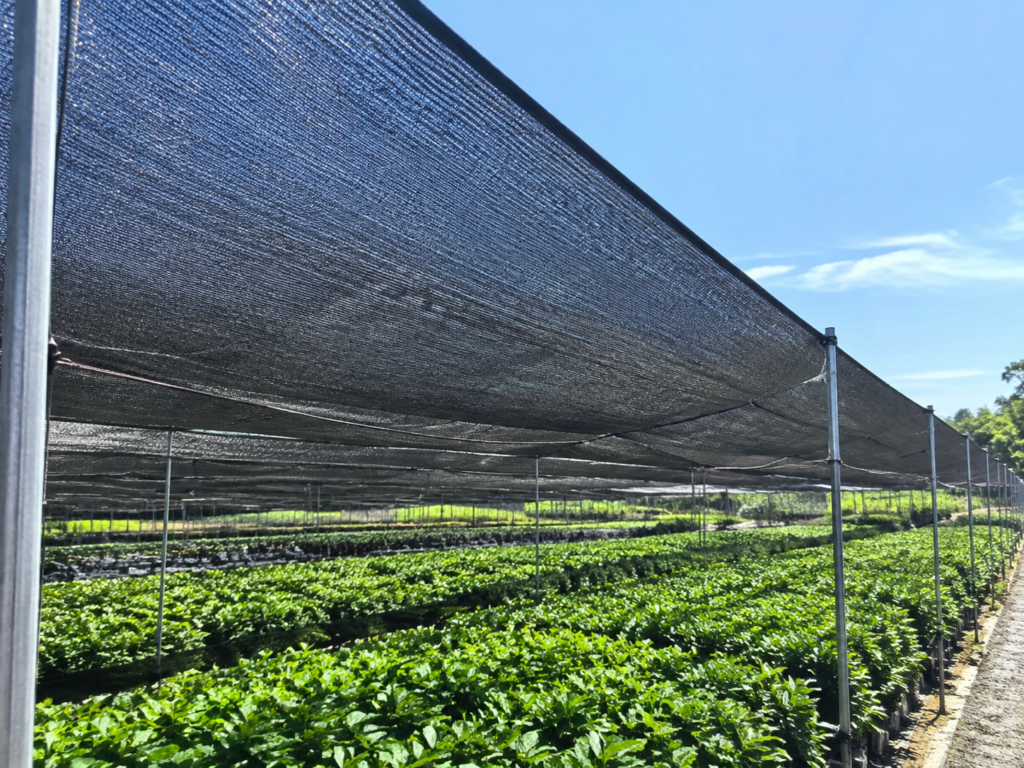
ZNY Agri manufactures HDPE shade nets for agricultural importers, greenhouse suppliers, farm distributors, nursery projects and commercial shading applications. Our range includes monofilament shade net, tape shade net and customized knitted shade cloth with 30–95% shading rates. Common specifications include 1–20 m widths and approximately 0.12–0.35 mm thickness, with custom roll lengths, colors and packaging available for suitable orders. UV stabilization, fabric weight, yarn structure, ventilation and tensile performance can be matched to crop, climate, installation method and expected outdoor service life. OEM and ODM support covers structure, shade rate, dimensions, color, edge finishing and private-label packaging.

// FREQUENTLY ASKED QUESTIONS

Questions Buyers Ask Before Ordering Agricultural Shade Net


SHADE NET SOLUTIONS
SHADE NET SOLUTIONS

What Is Shade Net and Which Shading Rate Should You Source?

Shade net, also called sun shade net or agricultural shade cloth, is a breathable HDPE covering designed to reduce solar radiation and heat while allowing air to circulate through the protected area. Monofilament structures provide dimensional stability and a cleaner yarn profile, while tape-yarn nets are widely used for economical agricultural and commercial shading. Buyers should compare shade rate, fabric weight, yarn structure, width, tensile strength, tear resistance, ventilation and UV service life. A higher shade percentage does not automatically mean better crop protection, because excessive light reduction can limit photosynthesis and increase humidity in poorly ventilated structures.

Choosing the Right Shade Net Percentage for Different Crops
SHADE NET MANUFACTURING

How We Manufacture Shade Net for Stable Shading and Outdoor Durability

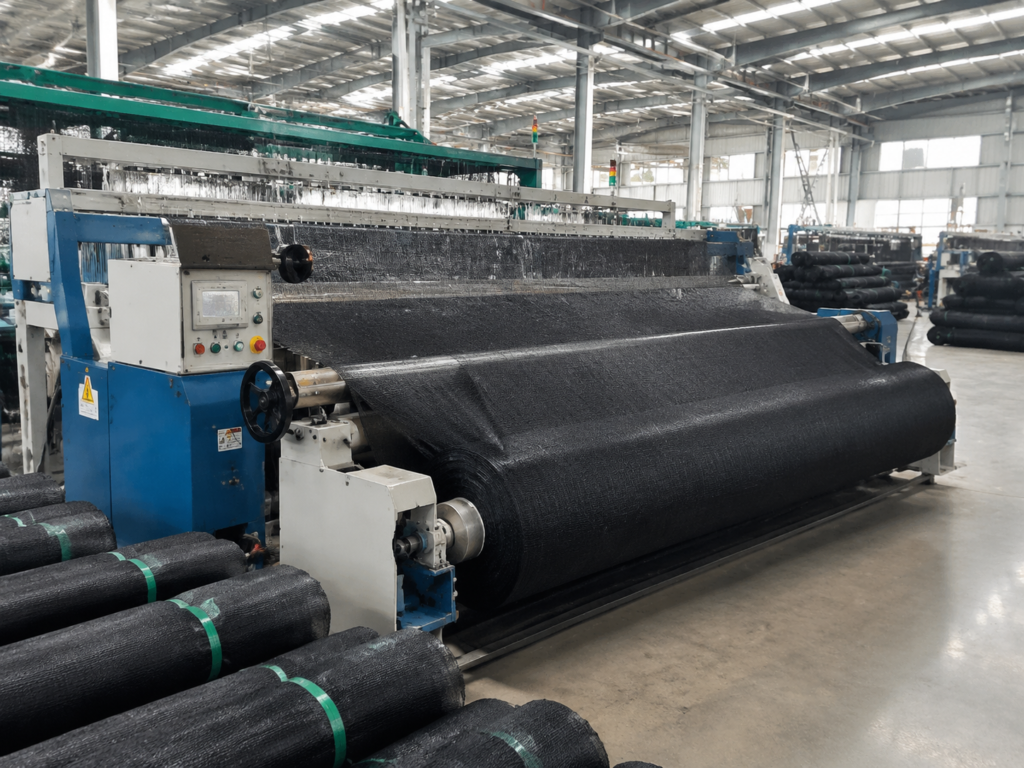
Production begins with HDPE resin blended with UV stabilizers, antioxidants and color masterbatch according to the required climate and service life. The material is extruded and drawn into monofilament yarn or flat tape yarn, then knitted or woven into the specified shade structure. The net is heat-set to improve dimensional stability before width, shade rate, surface appearance and edge quality are checked. Cutting, reinforced edging, eyelets, folding, rolling and packaging are completed according to the order. Process control focuses on yarn consistency, fabric weight, shade-rate accuracy, tensile performance, tear resistance, ventilation, width and UV-weathering stability.

APPLICATION SOLUTIONS

Shade Net Solutions for Crops, Livestock and Commercial Shading


Greenhouse and Vegetable Shading Flowers and Nursery Production Orchards and Vineyard Protection

Suitable for tomatoes, cucumbers, peppers, leafy vegetables and other protected crops that need lower heat load and reduced sun stress. Shade rate should be matched to crop light requirements, season, greenhouse ventilation and local temperature.

Flowers and Nursery Production

Provides controlled light reduction for flowers, ornamental plants, seedlings and propagation areas. Lower or medium shade rates can be selected where soft light is needed without excessively limiting plant growth or increasing humidity.

Orchards and Vineyard Protection

Used above fruit trees, vineyards and berry crops to reduce sunburn risk and heat exposure. Wider rolls, stronger yarn structures and UV-stabilized formulations can be customized for larger spans, wind conditions and long-term outdoor installation.

Aquaculture and Livestock Areas

Suitable for fish ponds, poultry areas and livestock shelters where reduced solar exposure and improved environmental comfort are required. Shade percentage, airflow, width and structural strength should be matched to the enclosure and climate.

Parking, Construction and Outdoor Shade

Designed for parking structures, building sites, gardens, patios and other outdoor applications requiring shading, wind reduction or dust control. Reinforced edges, eyelets, custom colors and project-specific dimensions can be supplied for installation needs.

BUYER FEEDBACK

What Buyers Value in Our Shade Net Supply Process


The recommendation considered our crop, local temperature, greenhouse ventilation and required shade percentage instead of simply offering the darkest net. The sample helped us compare airflow, yarn stability and actual shading before ordering.

Shade Net
Greenhouse Materials Importer East African Market

We needed several shading rates, widths and colors for agricultural and outdoor customers. The OEM process made the specifications easier to separate and improved the roll labels for our distributor network.

Shade Net
Agricultural Supply Distributor European Market

The team explained the practical difference between monofilament and tape-yarn shade nets and how UV stabilization affects service life. That guidance helped us select a stronger structure for a commercial nursery project.

Shade Net
Nursery and Shading Project Buyer Middle East Market
COOPERATION PROCESS

From Shading Requirements to a Confirmed Bulk Order


Contact Sales

Confirm Requirements

Select the Product

Receive Samples

Test the Samples

Place the Formal Order

Share your target market, crop or outdoor application and purchasing plan so the sales team can identify the technical and commercial information required for a suitable recommendation.

Confirm shade rate, monofilament or tape structure, fabric weight, width, roll length, color, UV life, edge finishing, eyelets, packaging and estimated quantity.

Compare suitable shade-net structures according to light reduction, ventilation, strength, service life, installation method, budget and target market.

Arrange available samples or a specification sample to review shade level, yarn structure, color, fabric weight, width, edge quality and packaging presentation.

Evaluate the net under your greenhouse, nursery, farm or outdoor installation conditions and confirm shading, airflow, strength and fitting suitability before production.

Approve the final specification, quantity, private-label packaging and shipping details, then proceed with production, inspection and order execution.