
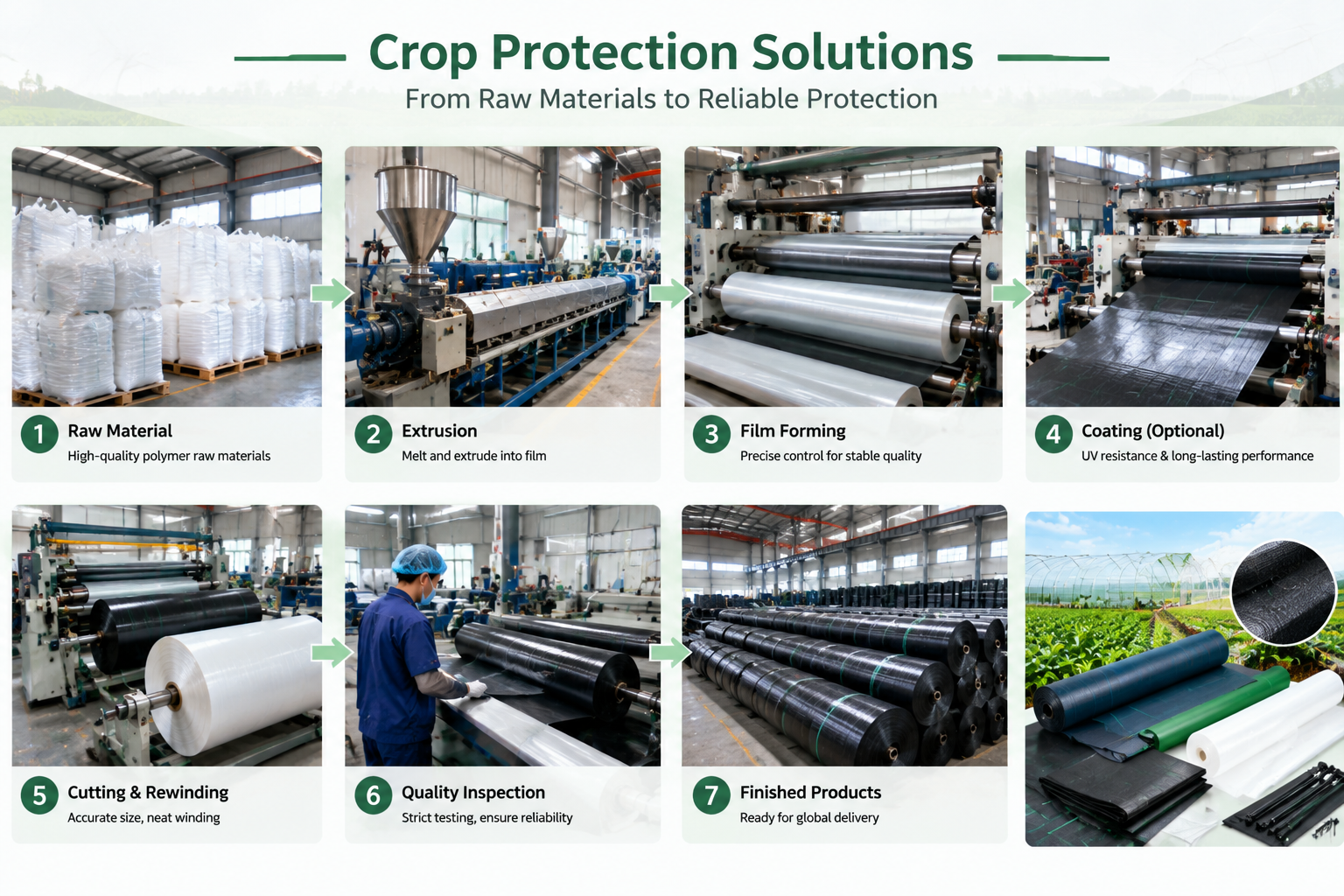
A crop protection solution refers to a coordinated set of physical barriers and climate-management materials used to reduce exposure to insects, excessive solar radiation, rain, wind, weeds and unstable growing conditions. It supports integrated crop management but does not guarantee zero pests, eliminate every pesticide application or replace field monitoring.
Final specifications should be confirmed against crop stage, target pest, climate, ventilation, pollination, structure, installation and local crop-management practices.
Choose mesh according to the smallest target pest, then verify airflow, temperature, humidity and pollination requirements. Common agricultural options include 24–80 mesh. Finer mesh can improve exclusion but may reduce ventilation.
Shade rate depends on crop, stage, season, latitude and ventilation. Available options commonly range from 30% to 95%. Excessive shade can reduce photosynthesis, so the highest shade rate is not automatically the best choice.
PE, EVA and PO options can include UV stabilization, high light transmission, diffusion, thermal retention, anti-fog and anti-drip functions. Typical greenhouse-film references include 80–200 μm thickness and 4–16 m width, subject to project confirmation.
No universal claim is appropriate. Physical barriers can reduce pest entry and support integrated pest management, but results depend on installation, sanitation, monitoring, pest biology and local conditions. Treatment decisions remain the grower’s responsibility.
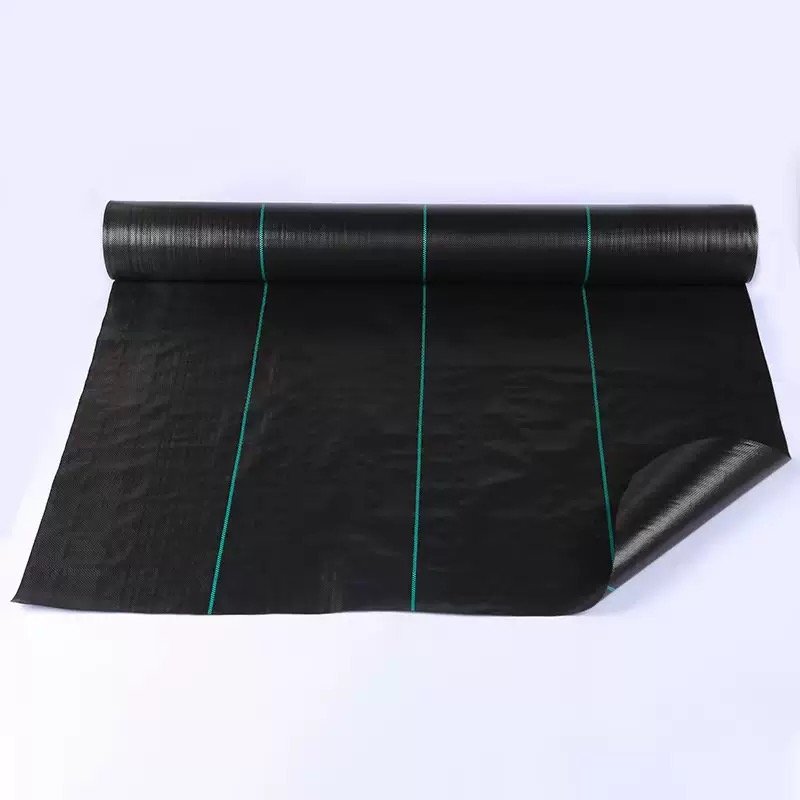
Mulch film can suppress weeds, conserve moisture and influence soil temperature in seasonal crops. Permeable weed-control fabric supports longer-term floor and weed management in orchards and nurseries. Product choice must follow crop cycle and drainage needs.
Inspection can cover mesh, GSM, dimensions, tensile properties, film thickness, shade rate, light characteristics, water permeability, UV-related requirements and packaging. Agreed ISO, ASTM or EN methods can be written into the specification.
Start with the target risk, then check how the selected barrier changes light, ventilation, humidity, pollination, soil conditions and daily farm operations.
HDPE insect nets selected by target pest, mesh, airflow, tensile performance, width, UV exposure and installation method.
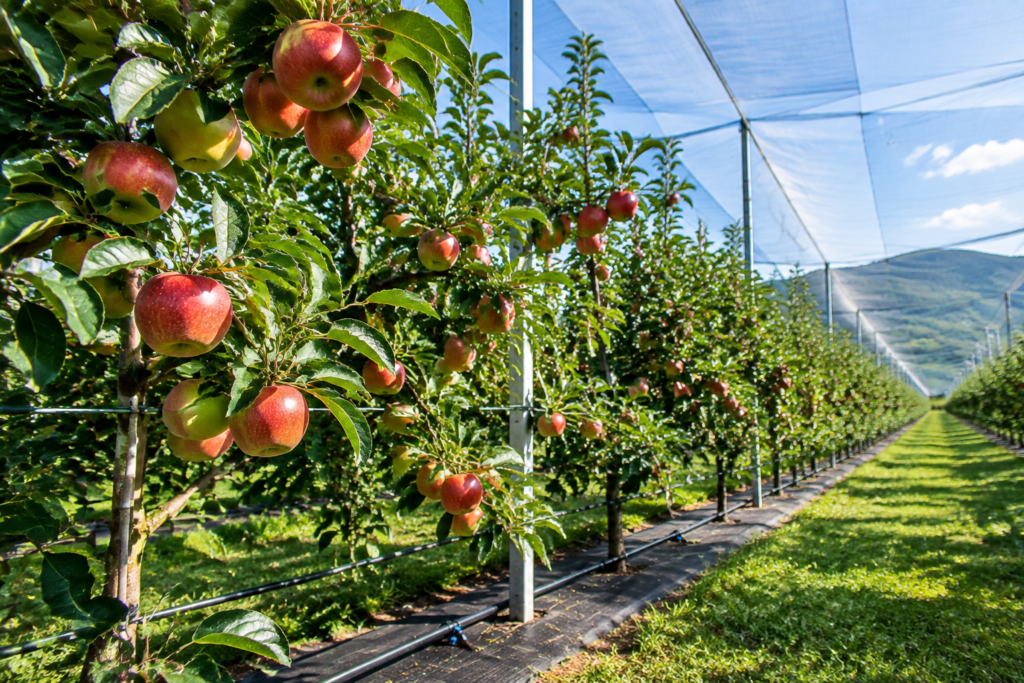
Shade nets commonly available from 30% to 95% shade rate for greenhouses, nurseries, vegetables and climate-sensitive crops.
PE, EVA and PO films with project-specific UV, light transmission, diffusion, thermal, anti-fog and anti-drip performance.
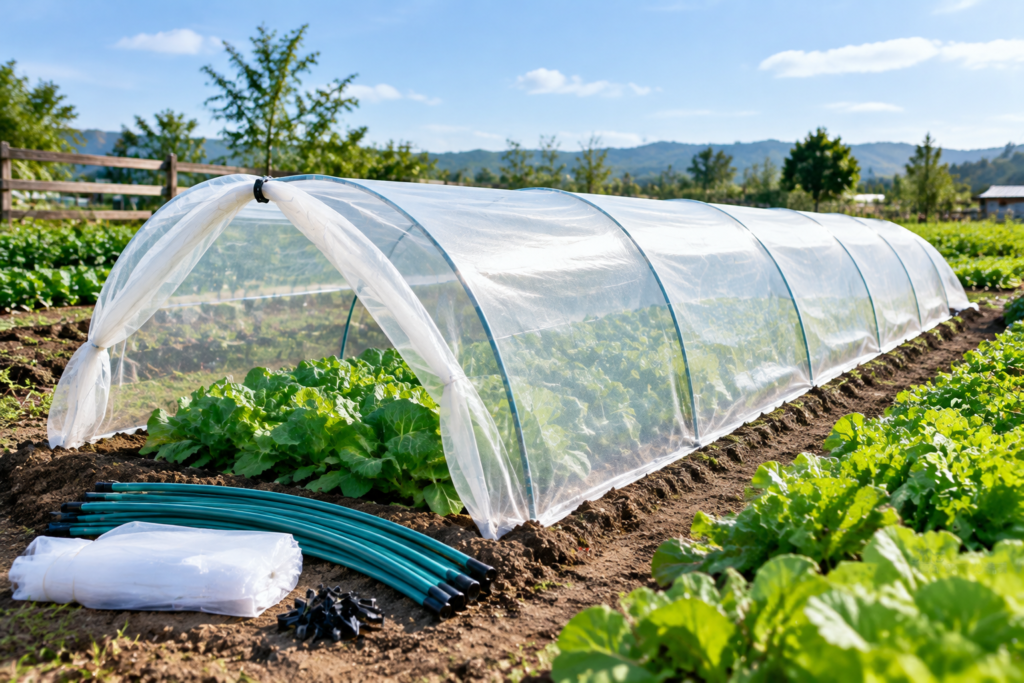
Mulch films, permeable weed-control fabrics and fiberglass supports for soil coverage, cleaner production zones, low tunnels and net structures.
The best protection strategy changes with crop sensitivity, target insect, local climate, growing stage, structure, pollination method and acceptable ventilation loss.
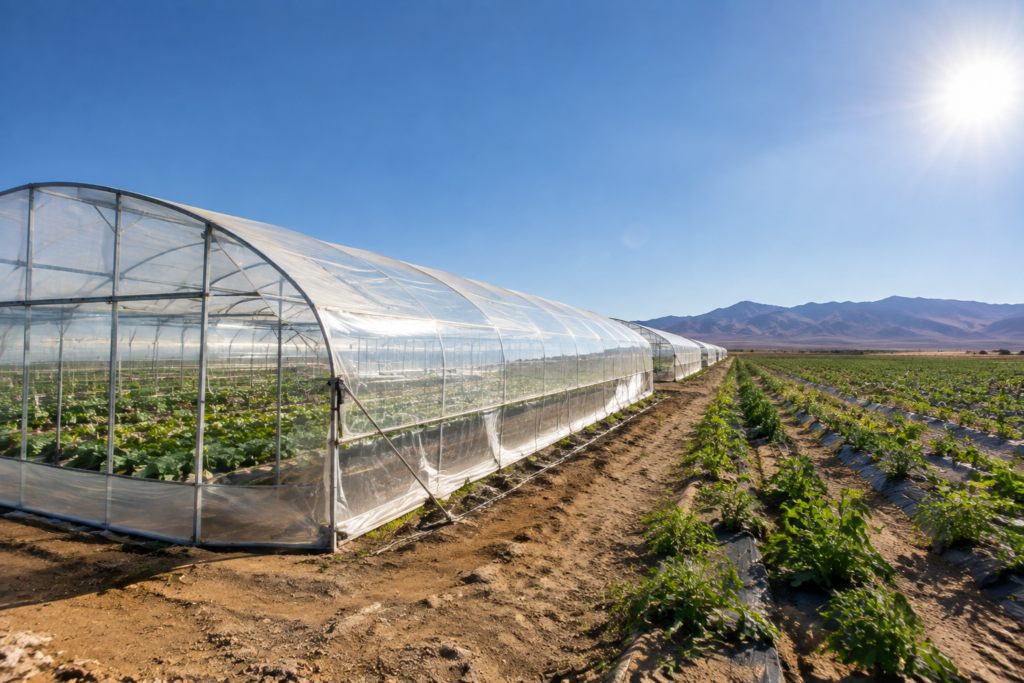
Choose a protection objective first, then configure mesh, shade rate, film type, GSM, dimensions, UV level, support method and packaging for the site.
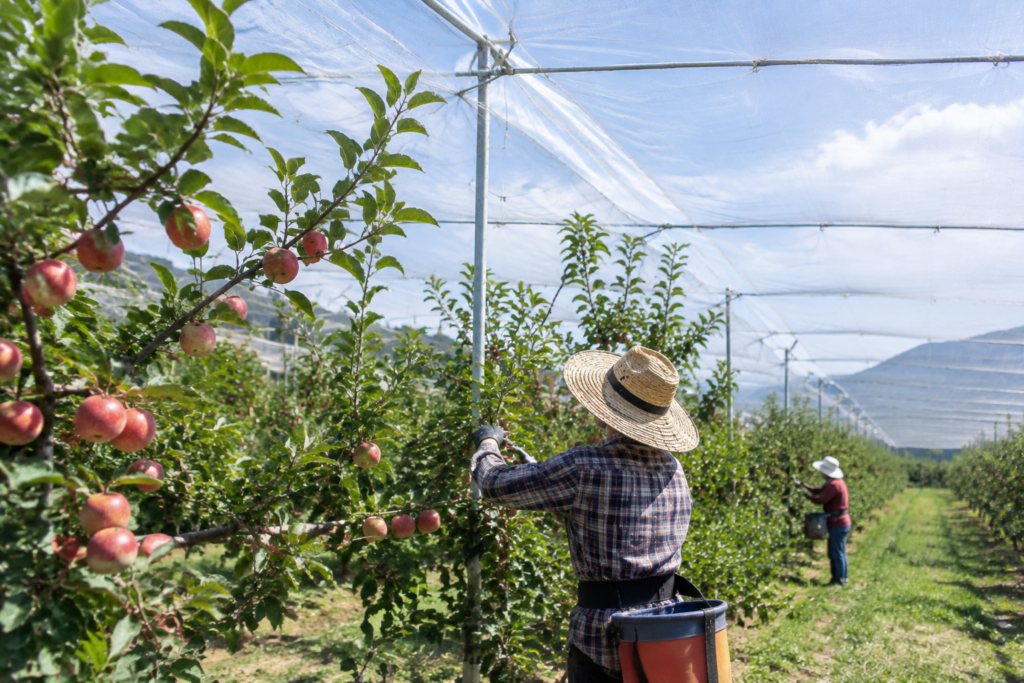
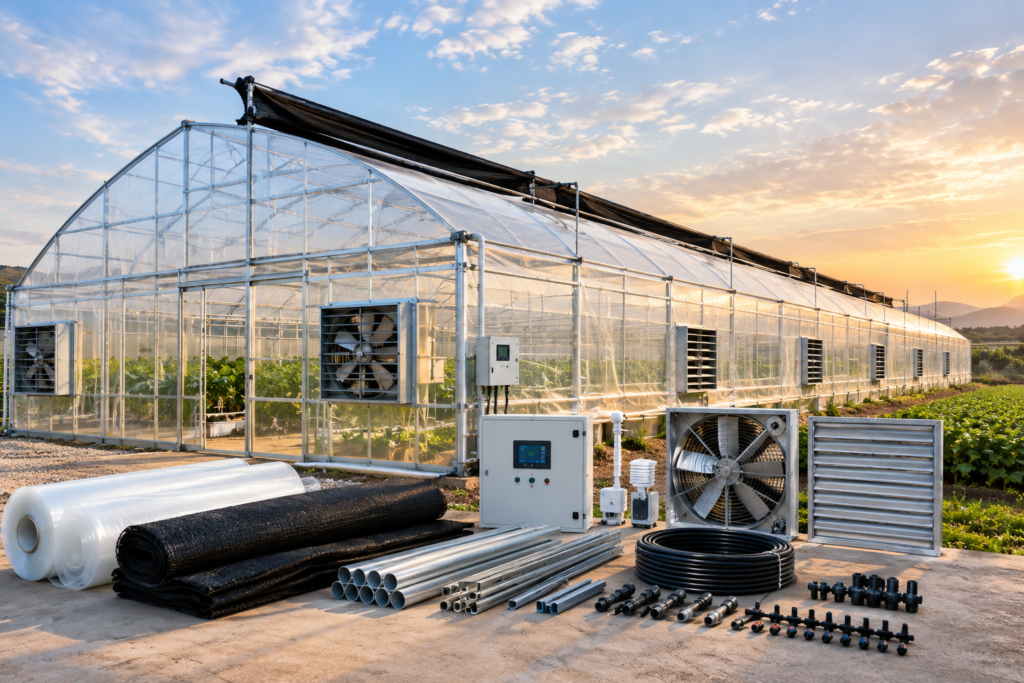
For vegetable, nursery and protected-crop projects: insect net selected by target pest and ventilation needs, with fiberglass supports or greenhouse integration and optional ground covering.
For strong sunlight and heat: crop-specific shade net, UV-stabilized covering materials and compatible ventilation strategy. Shade percentage is selected by crop and season rather than by choosing the highest value.
For commercial greenhouses: greenhouse film, perimeter insect net, seasonal shade, mulch or floor fabric and support accessories coordinated as one physical-protection system.
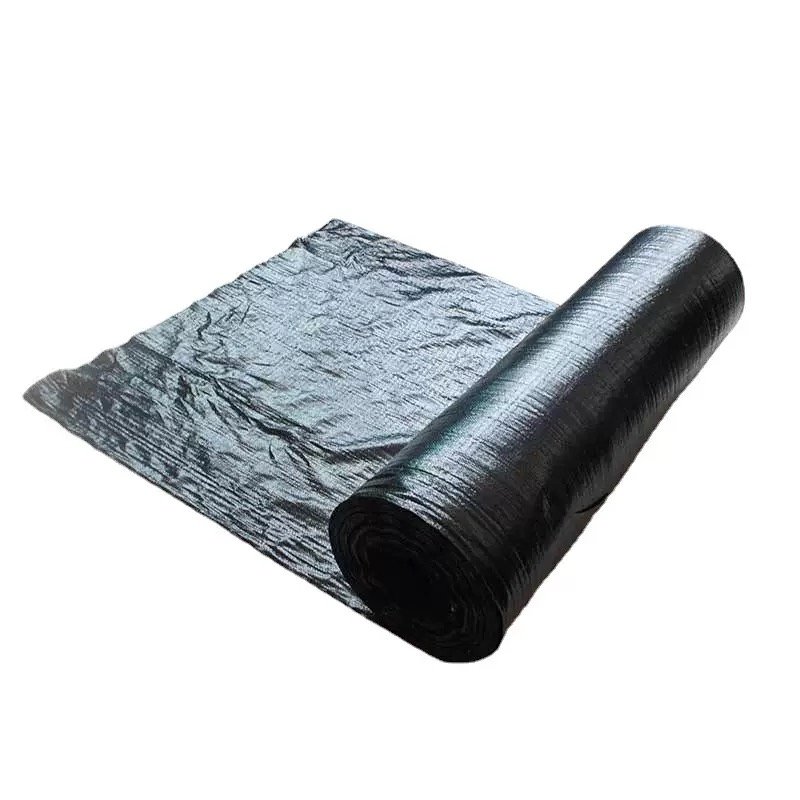
A barrier can solve one problem while creating another. Our configuration process therefore balances protection with light, airflow, humidity, pollination, installation and service-life requirements.
Define target insects, heat, radiation, rain, weeds and crop stage before choosing materials.
Avoid selecting mesh or shade rate without checking crop airflow and photosynthesis requirements.
Match UV stabilization and expected life to local solar exposure, temperature and installation period.
Configure mesh, GSM, width, length, film functions, shade rate, colors, labels and packaging within production limits.
Agree on dimensions, tensile performance, thickness, GSM, shade rate, light properties and weathering requirements before production.
Consolidate compatible nets, films, ground covers and supports for projects and distributor assortments.
A five-step workflow converts crop risks and site conditions into a reviewable physical-protection specification.
Share crop, growth stage, site, climate, structure, target pests, pollination method, weed pressure and expected protection period.
Define required exclusion, shade, weather cover, ground control, airflow, light and service-life targets.
Select net mesh, shade rate, film type and functions, ground-cover specification, dimensions and support method.
Confirm samples and acceptance criteria, then produce and inspect the agreed physical and dimensional properties.
Coordinate packing and shipment documents and use field feedback to refine repeat-order specifications.
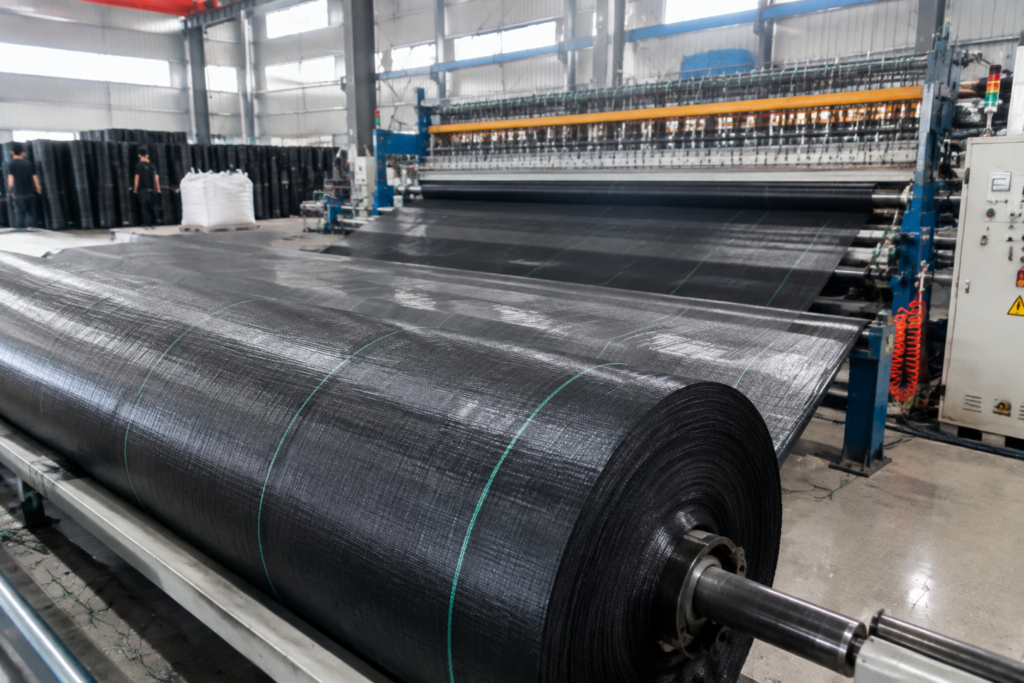
A distributor serving vegetable growers in a warm, high-pest region required coordinated insect, solar and ground protection. The proposed configuration combined ventilation-compatible insect net, seasonal shade net, greenhouse or tunnel film and mulch, with specifications based on target pests, crop-light requirements and local UV exposure. This is a representative configuration; replace it with verified customer results before publishing it as a completed case study.
ZNY Agri is a Chinese agricultural materials manufacturer and global supplier specializing in greenhouse films, insect nets, shade nets, mulch films, weed control fabrics, drip irrigation tapes and fiberglass rods.