
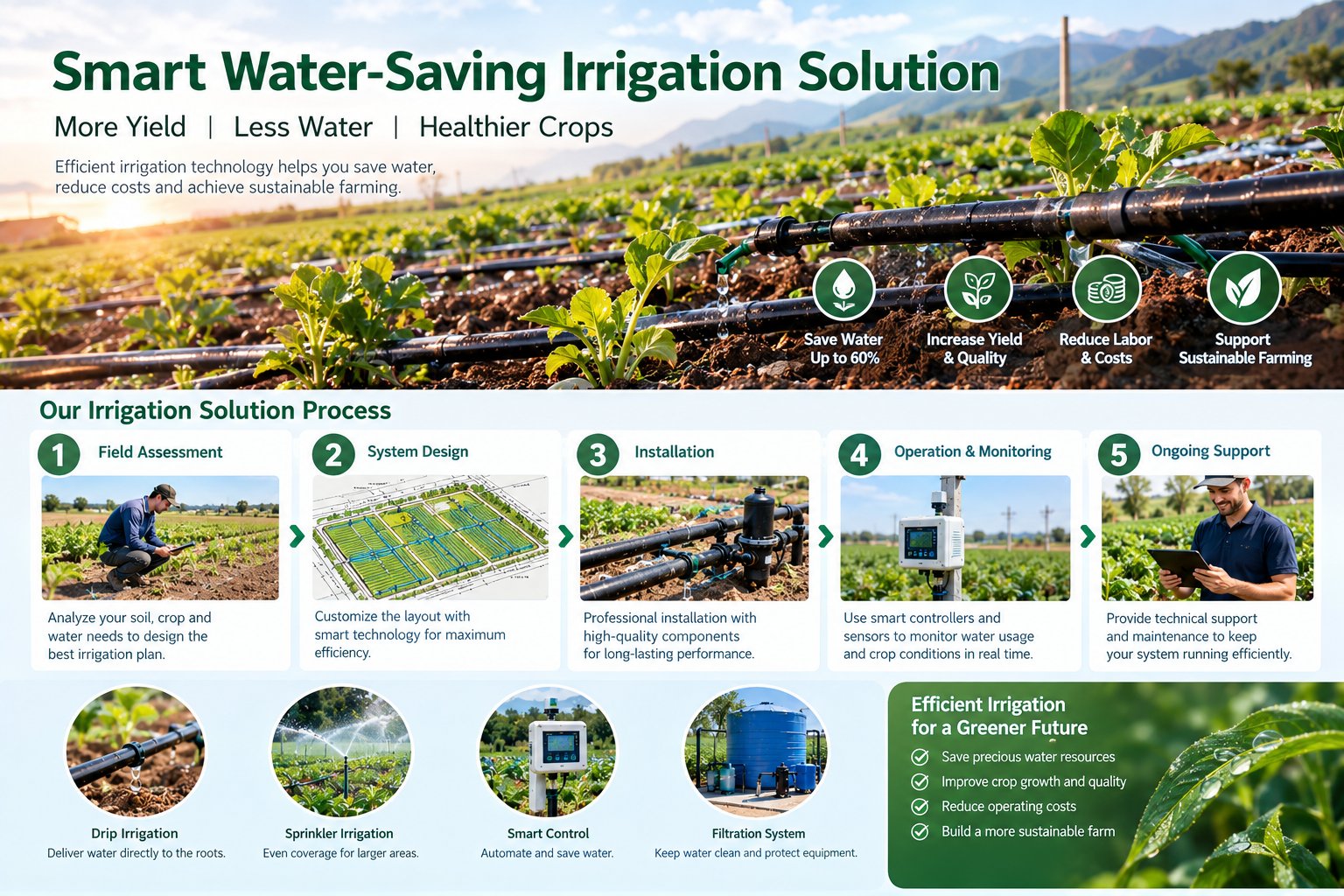
A water-saving irrigation solution refers to a coordinated combination of drip tape, emitter layout, pressure requirements and moisture-conservation materials selected for a crop and site. The objective is to place water near the active root zone and reduce avoidable surface loss—not to claim that drip tape alone can correct poor filtration, pressure control or irrigation scheduling.
Final specifications must be checked against crop demand, soil, terrain, row length, water quality, filtration, pressure and the complete hydraulic design.
Provide crop type, planting area, row length and spacing, soil type, slope, water source and quality, available pressure, irrigation schedule, expected service life and required quantity. A field layout is strongly recommended.
Emitter spacing should follow crop spacing and soil wetting behavior. Common references include 10, 20, 30, 40 and 50 cm. Sandy soils often need closer wetting points than heavier soils, but the final layout must be confirmed by the irrigation designer.
Common reference flow options include 1, 2, 4 and 8 L/h, with working-pressure references around 0.6–1.5 bar. Actual compatibility depends on tape construction, row length, elevation difference, filtration and pressure regulation.
Not automatically. Our core supplied products are drip tape and related agricultural covering materials. Pumps, filters, valves, mains and controllers must be engineered and quoted separately. This boundary should be confirmed before ordering.
Mulch film can reduce exposed-soil evaporation and weed competition in seasonal crops. Permeable weed-control fabric supports longer-term ground management in orchards and nurseries. Neither replaces correct irrigation scheduling or soil monitoring.
Inspection can cover diameter, wall thickness, emitter spacing, flow consistency, pressure performance, UV-related requirements, roll length and packaging. ISO 9261 and other agreed methods may be specified where applicable.
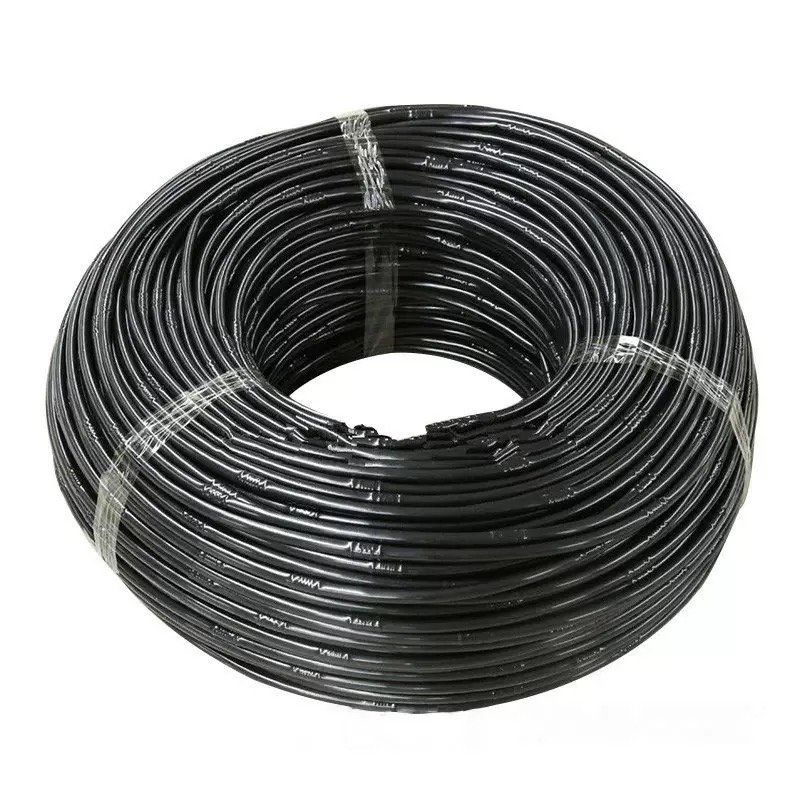
Build the system from the crop row outward: first define water delivery, then reduce moisture loss and coordinate the layout with the production environment.
Select diameter, wall thickness, emitter spacing, flow rate and pressure according to crop density, row length, soil wetting pattern and expected service life.
Use black, clear, silver-black or other mulch films where soil-temperature management, weed suppression and reduced surface evaporation support the crop plan.
Use weed-control fabric in orchards, nurseries and longer-term installations requiring permeability, cleaner floors and reduced competition for water.
Coordinate greenhouse film and shade net with irrigation where light, heat and evaporation control affect water demand and crop stress.
Emitter selection and irrigation layout must change with crop spacing, soil texture, slope, row length, climate, water quality and whether the project is seasonal or permanent.
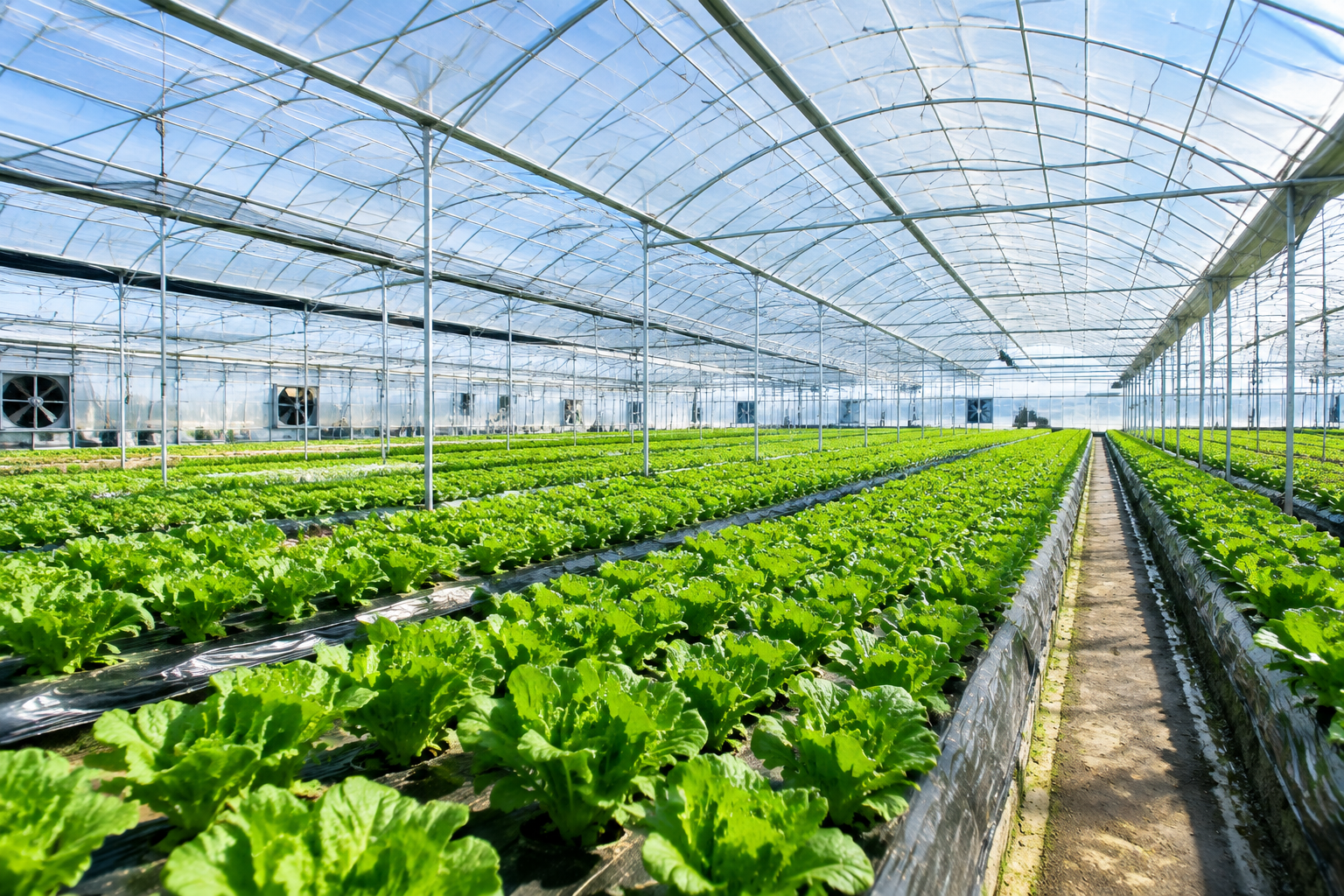
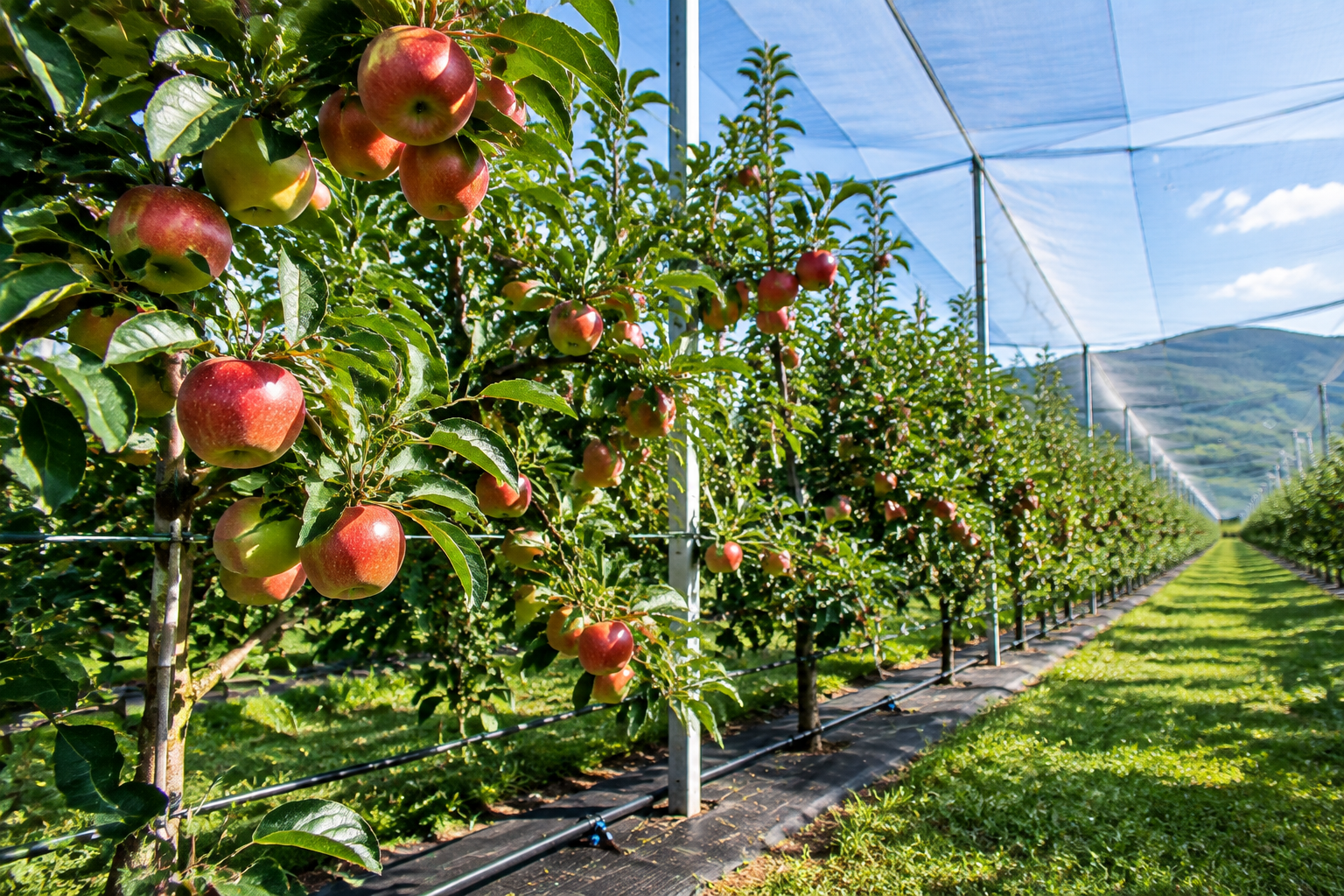
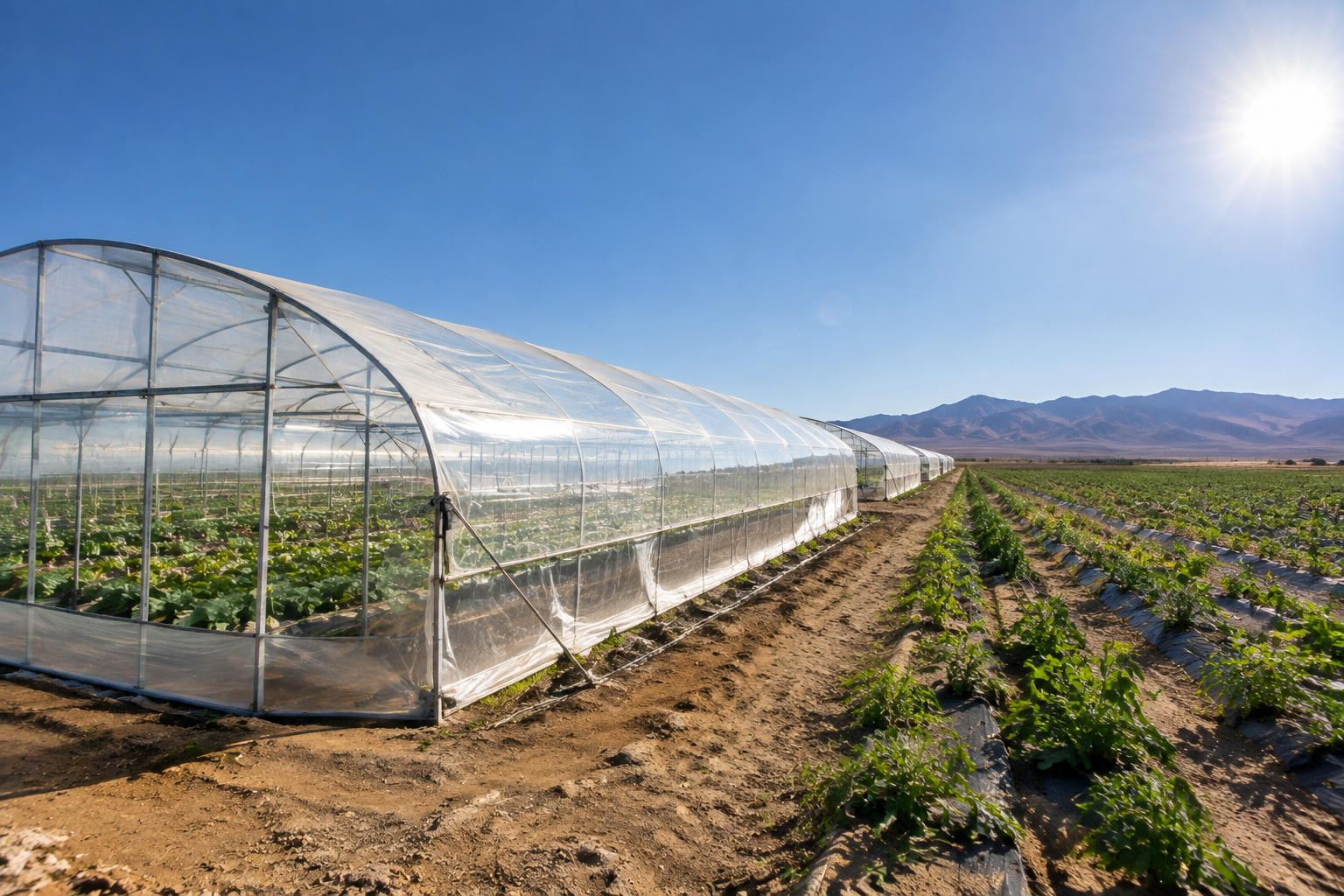
Each package covers the supplied agricultural materials and specification logic. Pumps, filters, mainlines, valves and controllers must be separately engineered or explicitly included in the quotation.
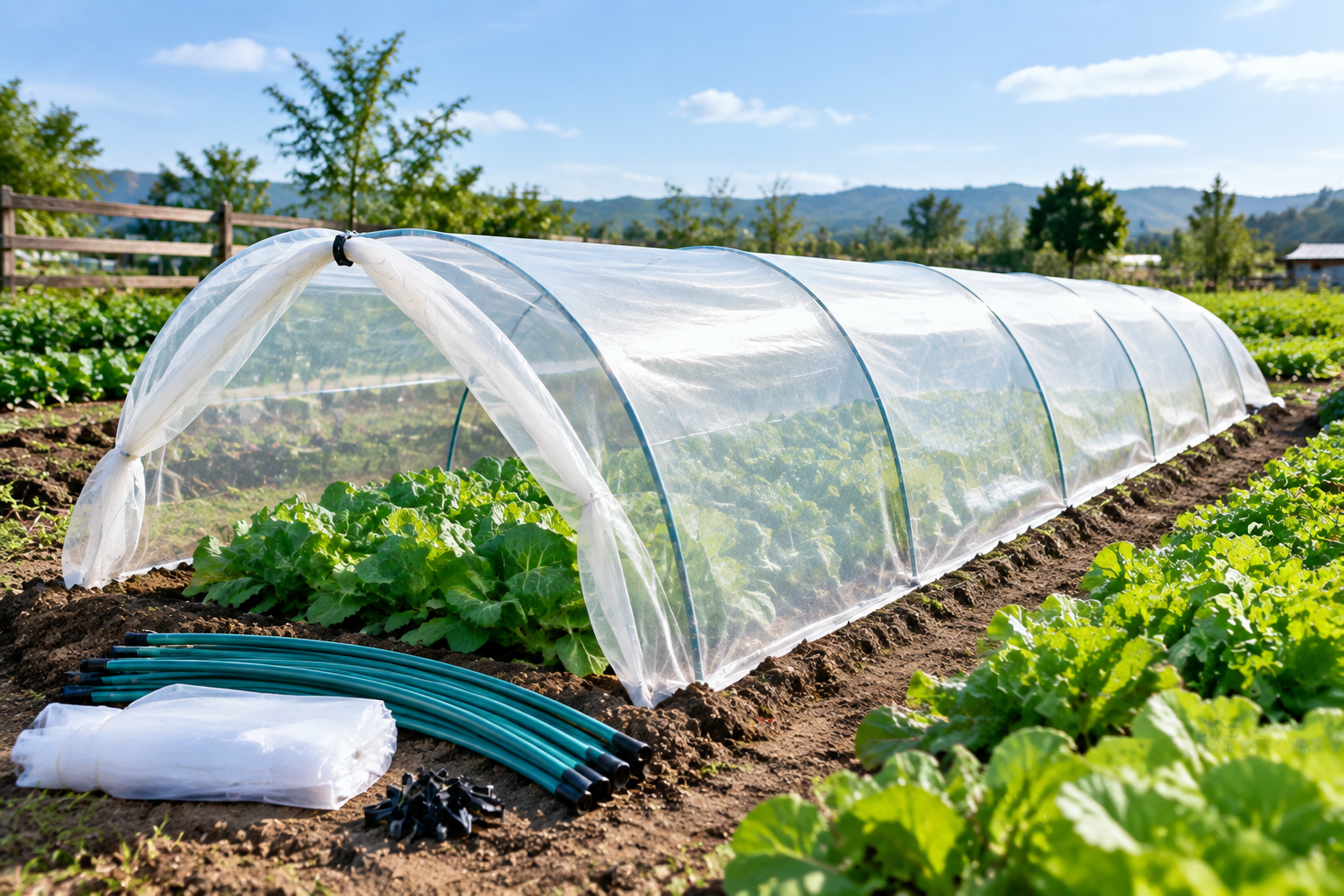
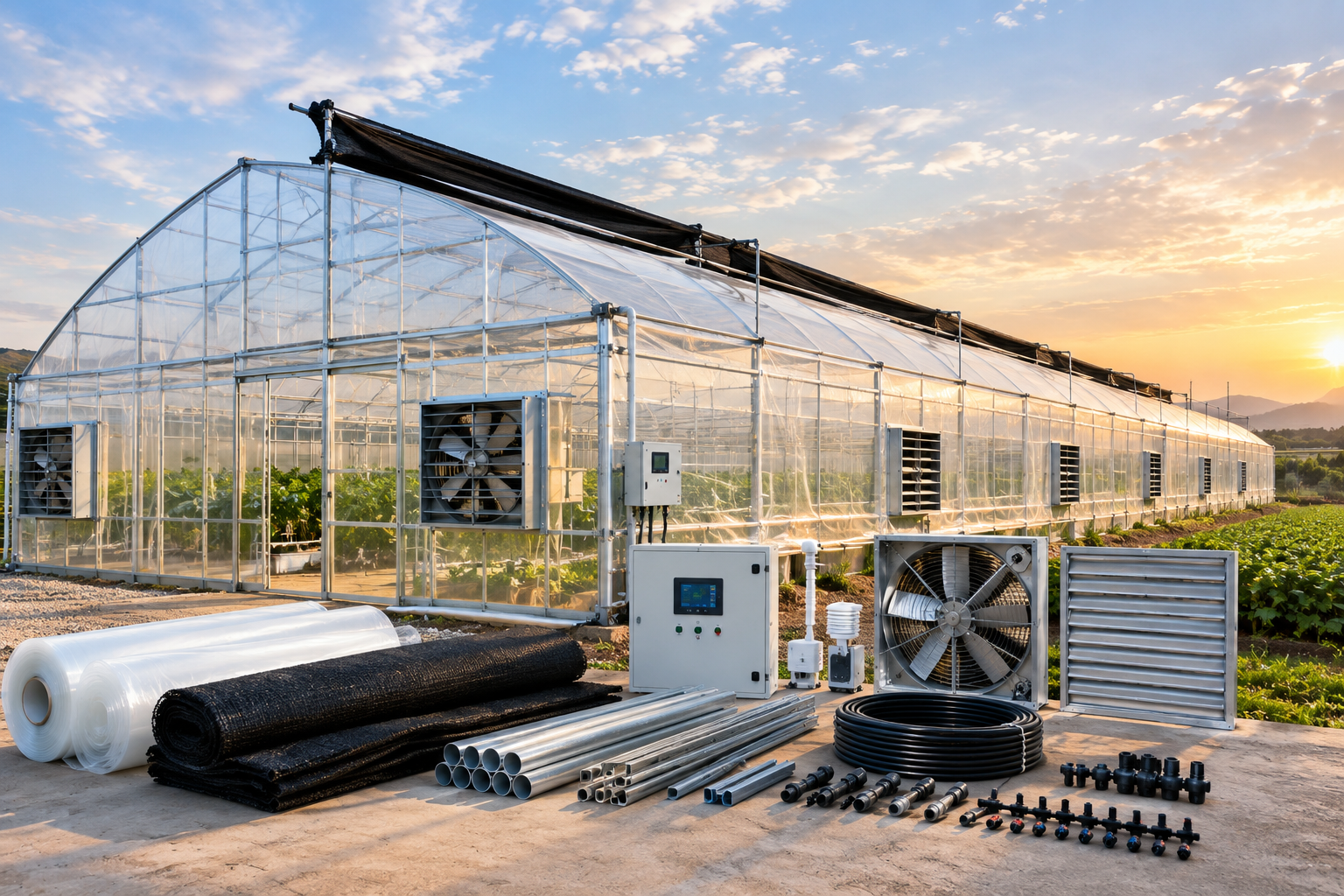
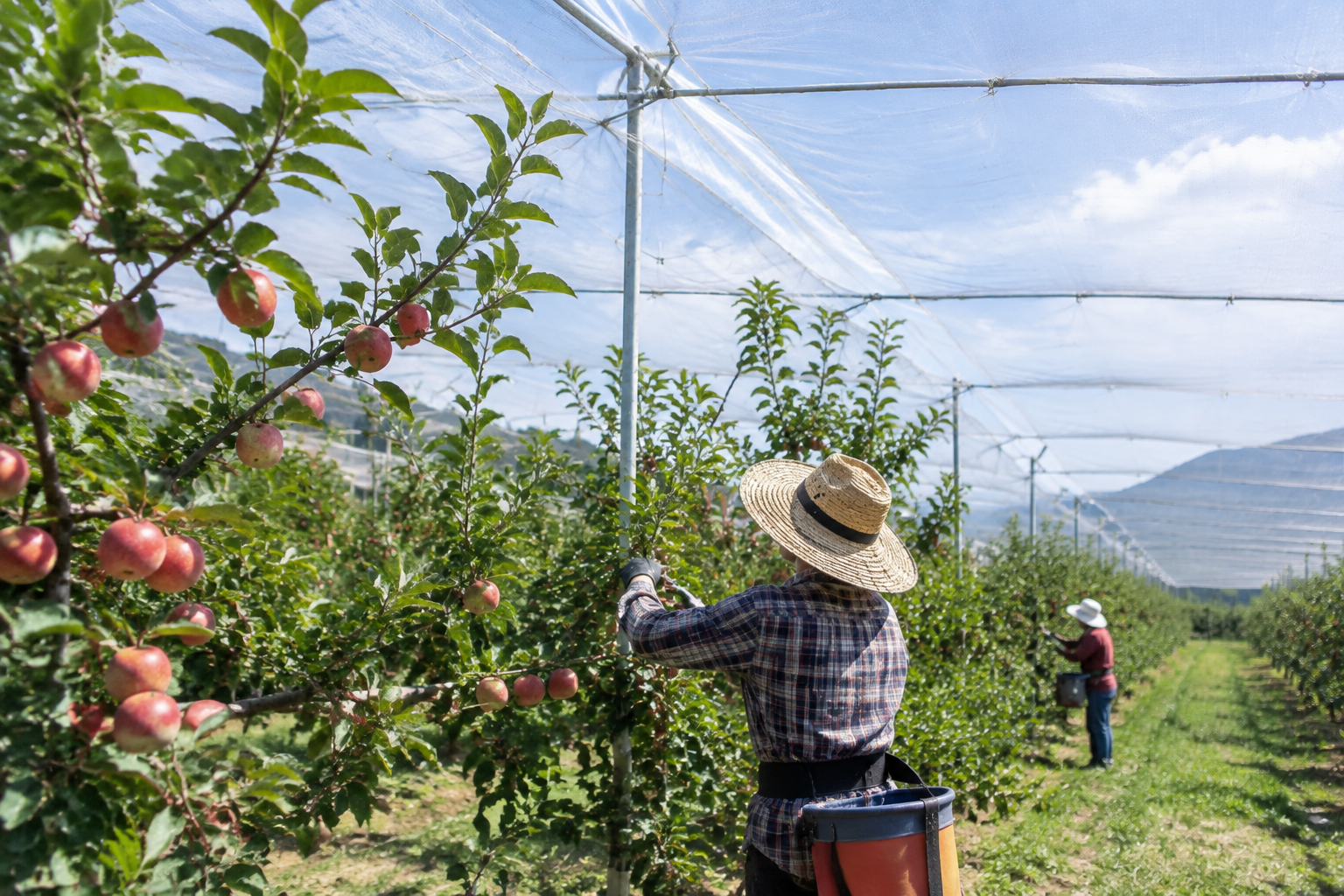
For leafy vegetables, tomato, pepper, melon and similar row crops: drip tape, crop-specific emitter spacing, suitable mulch film and optional insect or shade protection. Roll lengths are coordinated with beds and field blocks.
For protected cultivation: drip tape or dripline specification combined with greenhouse film, shade management and ground covering. The package aligns water placement with row layout and the greenhouse microclimate.
For fruit trees, shrubs and container plants: irrigation spacing and flow matched to root-zone width, soil and row length, with permeable weed-control fabric and optional shade or support materials.
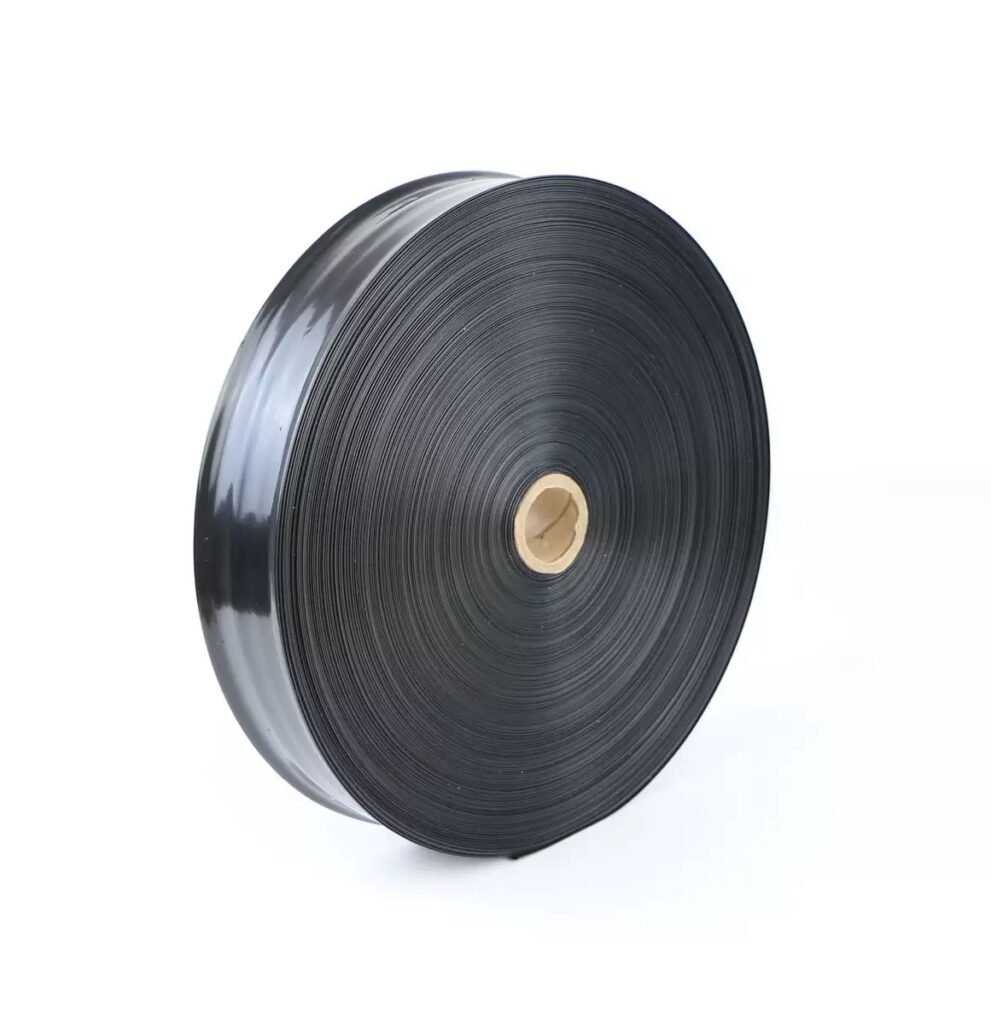
Water efficiency depends on compatible dimensions, flow, pressure, field layout and moisture management. The solution is therefore configured as a system rather than sold as an isolated roll of tape.
Match emitter spacing and flow to crop spacing, root-zone demand and soil wetting behavior.
Define the intended working-pressure range and row length before selecting the tape specification.
Coordinate drip irrigation with mulch, ground fabric or shade where these materials reduce avoidable water loss.
Configure diameter, wall thickness, emitter spacing, flow, length, labels and packing within production limits.
Agree on dimensions, wall thickness, emitter spacing, flow consistency, pressure performance and UV requirements before production.
Retain the approved specification for distributor programs, seasonal reorders and farm expansion.
A five-step workflow converts crop and field data into a clear supplied-product specification and identifies the system items that require separate hydraulic engineering.
Share crop type, area, row length and spacing, soil, slope, climate, water source, irrigation frequency and expected service life.
Determine irrigation zones, tape length, diameter, emitter spacing, target flow and suitable working-pressure range.
Select mulch, weed-control fabric, shade or greenhouse cover where these products support the water-management objective.
Confirm samples and specifications, then inspect agreed dimensions, flow consistency, pressure behavior and packaging.
Coordinate packing and shipment documents and retain the approved field specification for the next season or expansion.

A distributor serving seasonal vegetable growers required matched drip-tape and mulch specifications for multiple bed layouts. The proposed configuration organized emitter spacing, flow, roll length and mulch width around crop spacing, soil behavior and field blocks. Filtration, pumping and mainline design remained separate hydraulic-system requirements. This is a representative configuration; replace it with verified customer results before publishing it as a completed case study.
ZNY Agri is a Chinese agricultural materials manufacturer and global supplier specializing in greenhouse films, insect nets, shade nets, mulch films, weed control fabrics, drip irrigation tapes and fiberglass rods.