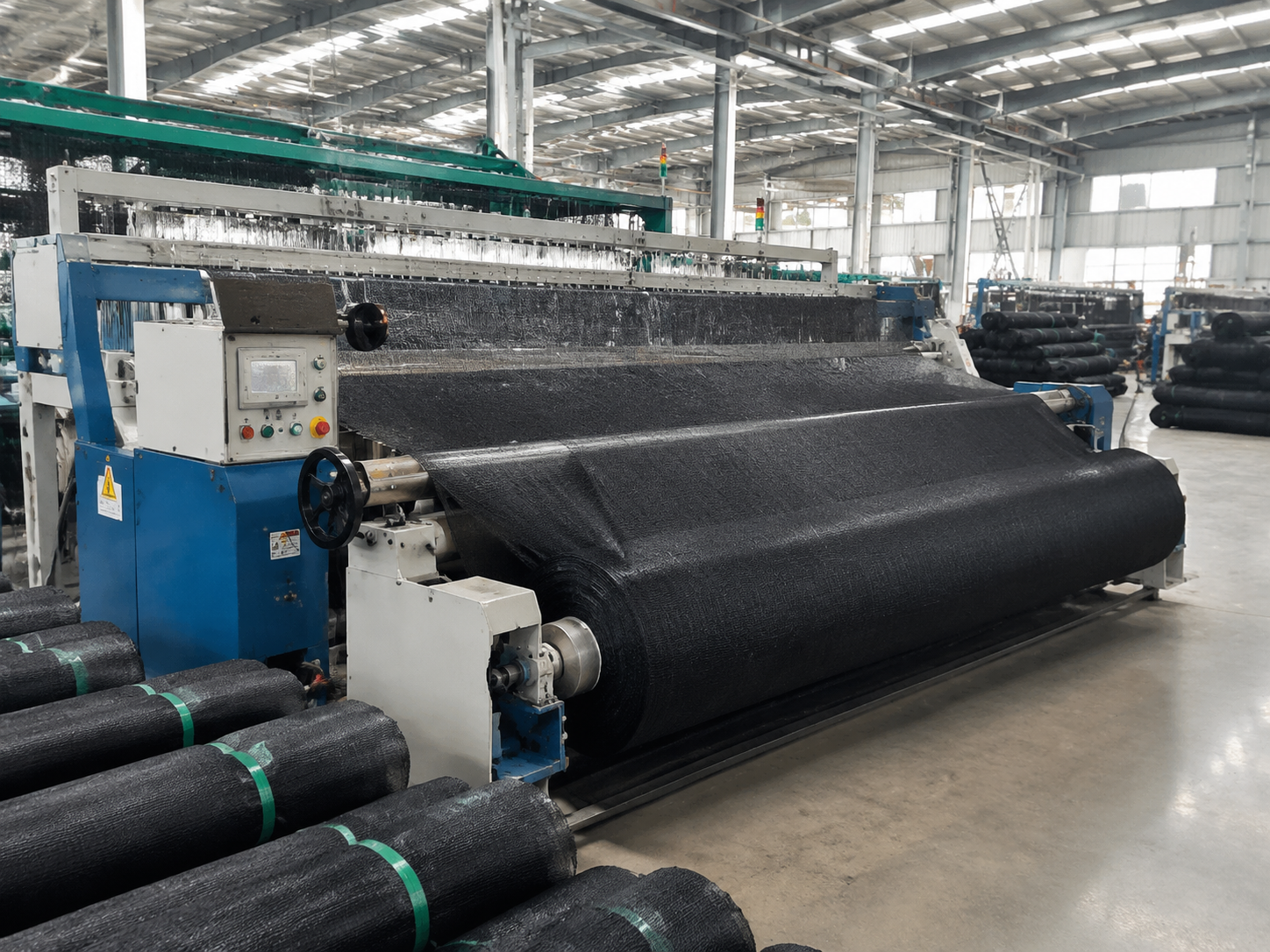
Choosing the right shade net percentage is essential for creating a healthy growing environment. Different crops require different levels of sunlight, temperature control, and protection from heat stress. Using the wrong shade percentage can reduce photosynthesis, slow plant growth, and affect crop quality.
For commercial growers, greenhouse operators, nurseries, and agricultural projects, selecting the correct shade net percentage for different crops can improve production efficiency and provide better crop protection.
What Does Shade Net Percentage Mean?
Shade net percentage refers to the amount of sunlight blocked by the shade net.
For example:
| Shade Net Percentage |
Light Blocked |
Typical Use |
| 30% Shade |
30% |
Sun-loving crops |
| 40% Shade |
40% |
Vegetables and nursery plants |
| 50% Shade |
50% |
Sensitive vegetables and flowers |
| 60% Shade |
60% |
Leafy vegetables and ornamentals |
| 70%+ Shade |
70%+ |
High-heat protection and specific plants |
A higher shade percentage means less direct sunlight reaches the crops. However, higher shade does not always mean better protection. The correct level depends on the crop, climate, growing season, and cultivation system.
When choosing a shade net, growers should consider several factors, including crop type, local temperature, sunlight intensity, greenhouse structure, and the crop’s growth stage.
The goal is to create a balance between
sunlight, temperature, ventilation, and plant growth.
Here are some common recommendations.
1. 30% Shade Net – For Sun-Loving Crops
A 30% shade net provides relatively light shading while allowing plenty of sunlight to reach the plants.
It is suitable for crops that require strong sunlight, including:
- Tomatoes
- Peppers
- Some fruit crops
- Certain outdoor vegetables
- Sun-loving nursery plants
In hot climates, 30% shading can help reduce excessive heat without significantly reducing the light required for photosynthesis.
2. 40% Shade Net – A Flexible Choice for Vegetables
A 40% shade net offers a good balance between sunlight and heat protection.
It is commonly used for:
- Lettuce
- Cabbage
- Herbs
- Seedlings
- Nursery plants
- General vegetable production
For commercial growers, 40% shade is often a practical option when moderate temperature control is needed while maintaining sufficient light.
This percentage can be especially useful in regions with strong summer sunlight.
3. 50% Shade Net – For Heat-Sensitive Crops
A 50% shade net provides stronger sunlight protection and can help reduce heat stress during hot weather.
It can be suitable for:
- Leafy vegetables
- Flowers
- Nursery plants
- Young seedlings
- Sensitive horticultural crops
For greenhouse and nursery operations, 50% shade can help maintain a more stable growing environment.
However, growers should also ensure sufficient ventilation, because excessive shading combined with poor airflow may affect plant development.
4. 60% Shade Net – Stronger Protection for Sensitive Plants
A 60% shade net blocks more sunlight and is generally suitable for plants that are sensitive to strong solar radiation.
Typical applications include:
- Ornamental plants
- Certain flowers
- Young plants
- Shade-loving vegetables
- Nursery production
It is also useful in regions with extremely high temperatures where direct sunlight can cause leaf burn or excessive water loss.
5. 70% Shade Net and Above – For High-Shade Applications
High-density shade nets, such as 70%, 80%, or higher, are designed for applications requiring significant light reduction.
They can be used for:
- Shade-loving plants
- Specialized nurseries
- Certain ornamental crops
- Temporary high-temperature protection
However, these higher percentages should not be selected simply because the weather is hot. Crops still require adequate light for healthy growth.
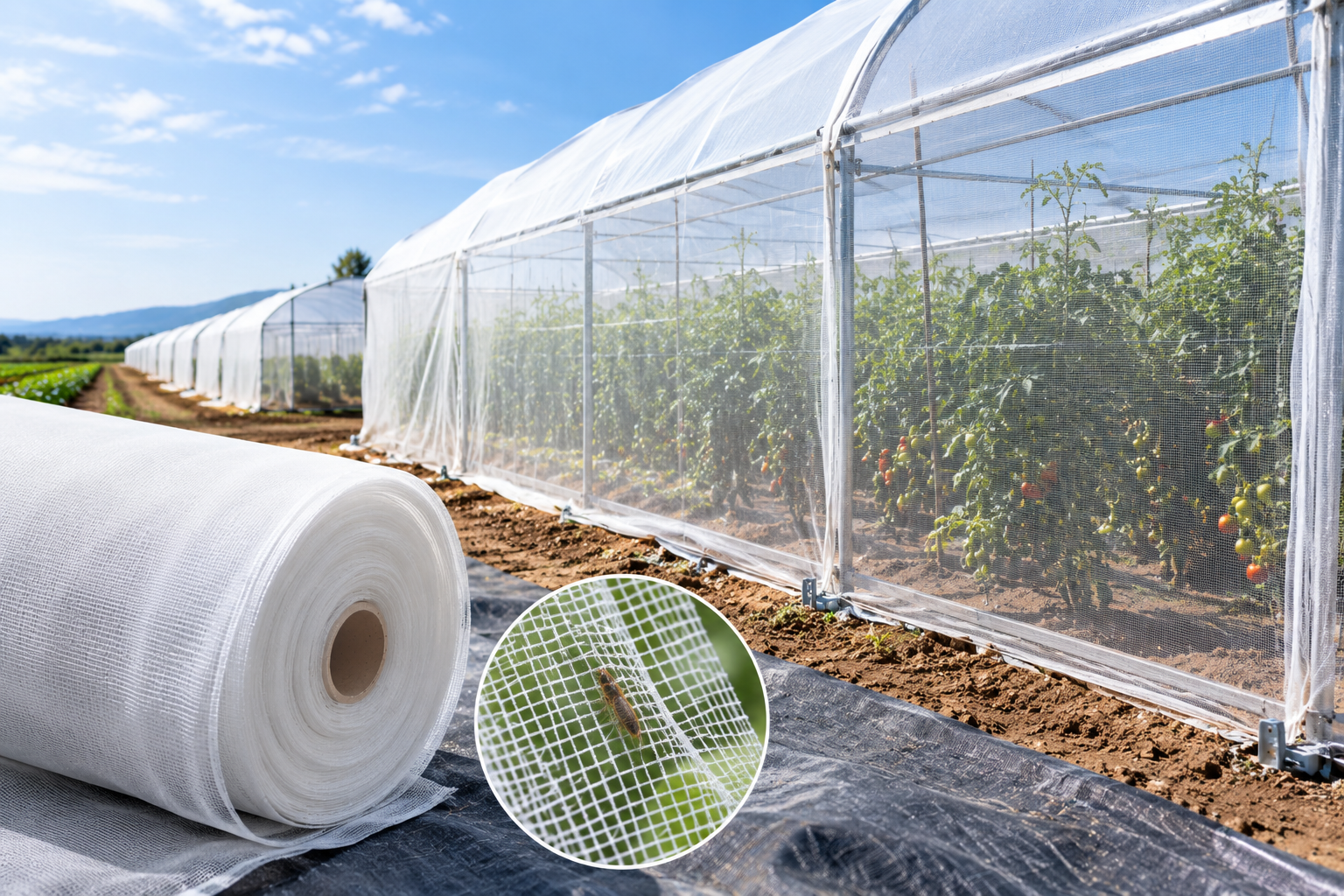
Shade Percentage Should Match Your Climate
Crop requirements are only one part of the decision.
The same crop may require different shade net percentages in different regions.
For example, a crop grown in a mild climate may perform well under 30–40% shade, while the same crop in a hot and high-radiation region may require 50–60% shade.
Growers should consider:
Crop + Climate + Season + Growing Structure + Sunlight Intensity
This combination provides a more accurate way to select the right shade net.
Common Mistakes When Choosing Shade Net
One of the most common mistakes is choosing a shade percentage based only on temperature.
A high shade percentage may reduce heat, but excessive shading can also reduce the sunlight needed for photosynthesis.
Other common mistakes include:
- Choosing the same shade percentage for every crop
- Ignoring local climate conditions
- Using low-quality shade nets outdoors
- Focusing only on price instead of durability
- Failing to consider ventilation and installation
For commercial agricultural projects, shade nets should be selected according to both crop requirements and actual growing conditions.
Our Agricultural Shade Net Solutions
At Xuzhou Zhinongyun Supply Chain Management Co., Ltd., we provide agricultural protection products for professional growers, distributors, greenhouse operators, and agricultural projects.
Our product range includes:
- Agricultural Shade Net
- Insect Net
- Greenhouse Film
- Plastic Mulch
- Weed Control Fabric
- Drip Irrigation Tape
- Fiberglass Rod
We focus on providing practical agricultural protection solutions based on different climates, crops, and project requirements.
About Us
With extensive experience in agricultural protection materials, our company is committed to supplying reliable products for international agricultural markets.
We support B2B buyers with stable supply, product customization, quality control, and professional export services.
Our goal is not simply to supply agricultural materials, but to help customers choose the right products for real agricultural applications.
Need Help Choosing the Right Shade Net?
Choosing between 30%, 40%, 50%, 60%, or 70% shade can be difficult when crop requirements and local climate conditions are different.
Our team can recommend suitable shade net specifications based on:
- Crop type
- Growing region
- Sunlight intensity
- Greenhouse or outdoor application
- Required shading percentage
- Project quantity
Explore Our Agricultural Solutions
Whether you are looking for shade net, insect net, greenhouse film, plastic mulch, or other crop protection materials, we can provide suitable solutions for different agricultural applications.
Contact Us today to discuss your crop protection requirements and get professional product recommendations, specifications, and quotations.
Final Thoughts
Choosing the right
shade net percentage for different crops is an important part of modern crop protection. A suitable shade level can help control excessive sunlight, reduce heat stress, protect sensitive plants, and create a better growing environment.
As a general guide, 30–40% shade is often suitable for sun-loving and general crops, while 50–60% can provide stronger protection for sensitive plants. Higher shading levels should be used for specific crops and growing conditions.
The best choice always depends on the combination of
crop type, climate, sunlight, season, and growing environment.
Choose the right shade percentage, protect your crops, and create a more stable growing environment.